The Best Photo Spots in Istanbul for Travel Photographers
The best photo spots in Istanbul are the places where water, domes and street life stack into a single frame within a short walk: Sultanahmet at first light, the Galata waterfront, the ferries that join the two shores, and the back lanes of Balat and Kadıköy. None of them need special access. They need timing, and a willingness to get up early.
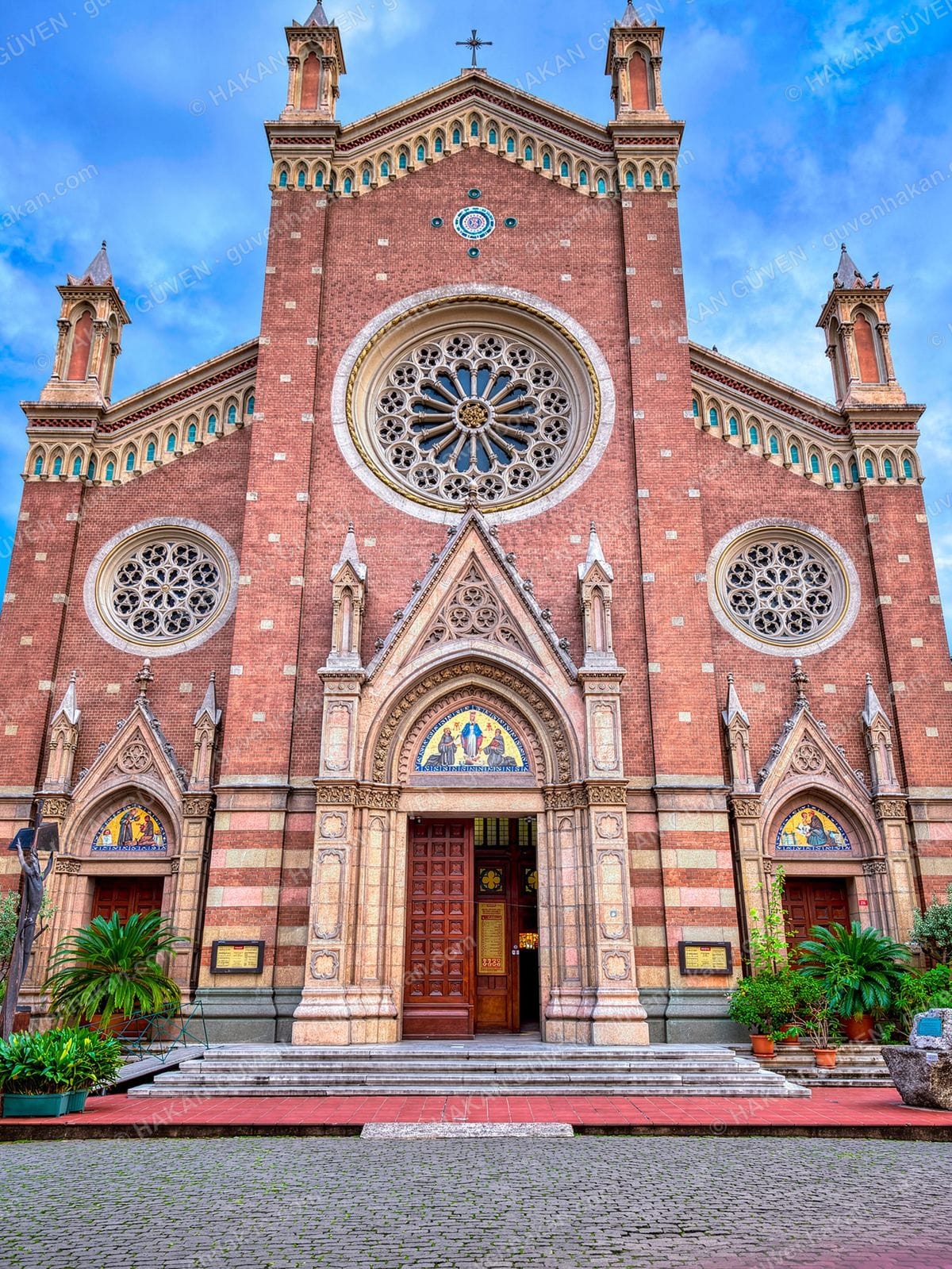
- Hagia Sophia has stood on the same ground since the sixth century, making it the oldest building most photographers frame in Sultanahmet.
- The stone tower above Beyoğlu is a Genoese rebuild dating from 1348 and still offers the fullest circular view in the city.
- Istanbul sits on two continents, so at sunrise the light arrives over the Asian shore and at sunset it drops behind the European skyline.
When the light works in Istanbul
The two reliable windows are the first hour after sunrise and the ninety minutes before sunset, when the light comes in low across the water.
Istanbul light is generous in spring and autumn and unforgiving in high summer. In midsummer the sun clears the horizon before six; in late December it waits until nearly eight. That gap decides how you build a day around a camera.
Mornings belong to the historic peninsula. Gülhane Park and the square between the two big mosques stay quiet until the coaches arrive, and the stone keeps a warm tone that has gone by ten. Save the middle of the day for interiors, markets and ferries.
Evenings are the second window. The last hour before sunset turns the water silver and the skyline into shapes, which is why the Galata Bridge fills with tripods. The techniques in photographing cityscapes at night carry over to this city almost unchanged.
Sultanahmet and the historic peninsula
Sultanahmet packs the city's most photographed buildings into a fifteen-minute walk, so one early session can cover most of them.
Hagia Sophia and the Blue Mosque face each other across a small park, and both read better from the corners of the square than from the middle, where everyone stops. Hagia Sophia has stood on the same ground since the sixth century, so it has outlasted every camera pointed at it.
Walk five minutes south and the Basilica Cistern swallows you into dim light and columns, which punishes slow lenses. Check opening hours before you queue and carry something fast. The Arasta Bazaar beside the Blue Mosque is easier for hand-held work.
Both mosques are working places of worship. Go outside prayer times, cover shoulders and knees, and keep the tripod folded unless someone in charge tells you otherwise.
Galata, Karaköy and the water's edge
The Galata Bridge and the lanes climbing to the tower put water, boats and domes into one frame without any climbing at all.
The Galata Bridge has two levels. Downstairs, lines drop from the railing into the Golden Horn all day; upstairs you get the skyline, the ferries and the domes stacked behind them. The upper deck is the safer bet at sunset.
Above it, the stone tower that gives Beyoğlu its shape is a Genoese rebuild from 1348. The balcony is the cleanest full turn you will get in the city, but the queue builds quickly — arrive at opening or photograph the tower from the lanes instead.
Karaköy around the bridge is where the good accidents happen: a delivery van, a wet pavement, a cat on a crate. Give yourself an hour to wander with no plan at all.
High points that explain the city
Süleymaniye, Çamlıca, Pierre Loti and the Galata Tower each give a different angle on the same water, and all four are easy to reach.
The terrace beside Süleymaniye Mosque looks straight down the Golden Horn. Go at sunrise and you will have the railing to yourself; by mid-morning it belongs to tour groups working through a list.
Çamlıca Hill on the Asian side gives the widest view of both shores and the islands beyond. Further along the water, the cable car up to Pierre Loti in Eyüp ends at a tea garden that looks back over the estuary.
Summer haze flattens distant detail, so a longer lens helps less than you would expect. Shoot earlier in the day, or come back in autumn when the air clears after rain.
The Bosphorus from a ferry
A scheduled ferry between the European and Asian shores is the simplest way to photograph the skyline from the water.
Ferries cross between Eminönü, Karaköy and Beşiktaş on one side and Kadıköy and Üsküdar on the other. One crossing puts you at water level with the whole peninsula in front of you, which no rooftop can match.
Take the open deck rather than the cabin. Heading to Kadıköy in the afternoon, the sun sits behind you and the domes come out clean; in the morning the light runs the other way and the Asian shore glows instead.
Keep the camera out for the last stretch, when the Maiden's Tower slides past and the water fills with smaller boats. Beyond the Bosphorus, the travel pages collect the other stops that reward the same early start.
Balat, Fener and Kadıköy for street work
Balat and Fener on the city side, and Kadıköy across the water, are where Istanbul turns into people, doorways and market stalls.
Balat and Fener climb away from the water in steep lanes of painted houses, laundry lines and corner shops. Weekday mornings are calm. Weekends bring a queue of people photographing the same blue wall, so shift one street uphill and you have it to yourself.
Kadıköy is busier and better for faces: the market streets behind the ferry pier, fish counters, delivery bikes, the press of a Friday afternoon. Work close, keep moving and let the crowd settle around you.
Ask before you photograph someone close up, and put the camera down when the answer is no. Nodding to the shopkeeper whose doorway you are borrowing costs nothing and keeps the street friendly.
A two-day route that actually works
Two mornings and two evenings cover the main spots comfortably if you give each session to a single neighbourhood.
Day one: Sultanahmet at sunrise, breakfast near Gülhane, the cistern late morning, then the Galata Bridge and the Beyoğlu lanes for the evening. One neighbourhood, one light window, no rushing between shores.
Day two: an early ferry to Kadıköy, the market streets, back across the water for an afternoon in Balat or up to Çamlıca for the last light. Keep the bag light, because you will walk further than you expect.
If you want to see how one city turns into a set of pictures rather than a folder of singles, the photography portfolio is the place to look.
And if you would rather have a professional shoot here than a self-guided walk, send a note through the contact page and we can plan the light together.
Frequently Asked Questions
How many days do I need to cover the main photo spots?
Two mornings and two evenings get you Sultanahmet, Galata, the ferries and one street district without hurrying. Add a third day if you want the Asian side and a proper sunset from Çamlıca.
Can I use a tripod in Istanbul?
On streets, bridges and viewpoints, yes. Inside working mosques, usually not during busy hours, and never across a walkway where people need to pass. Ask a guard if you are unsure.
Which spot is best at sunset?
The upper deck of the Galata Bridge, or any rooftop in Beyoğlu looking back at the peninsula. Çamlıca gives a wider view but the sun drops behind the European side rather than in front of you.
What is the best season for photography here?
April to June and September to October. The light is softer, the haze is thinner, and you are not fighting midday heat for the middle hours of the day.
Is it fine to photograph people in the street?
Yes, ordinary street work is normal here. For a close portrait, ask first with a gesture, and accept a refusal without pressing. A smile does more than a long lens.